


Chronic Pet Ear Infections in Port Isabel: Is It Allergies, Yeast, or Coastal Humidity?
Chronic Pet Ear Infections in Port Isabel: Is It Allergies, Yeast, or Coastal Humidity?
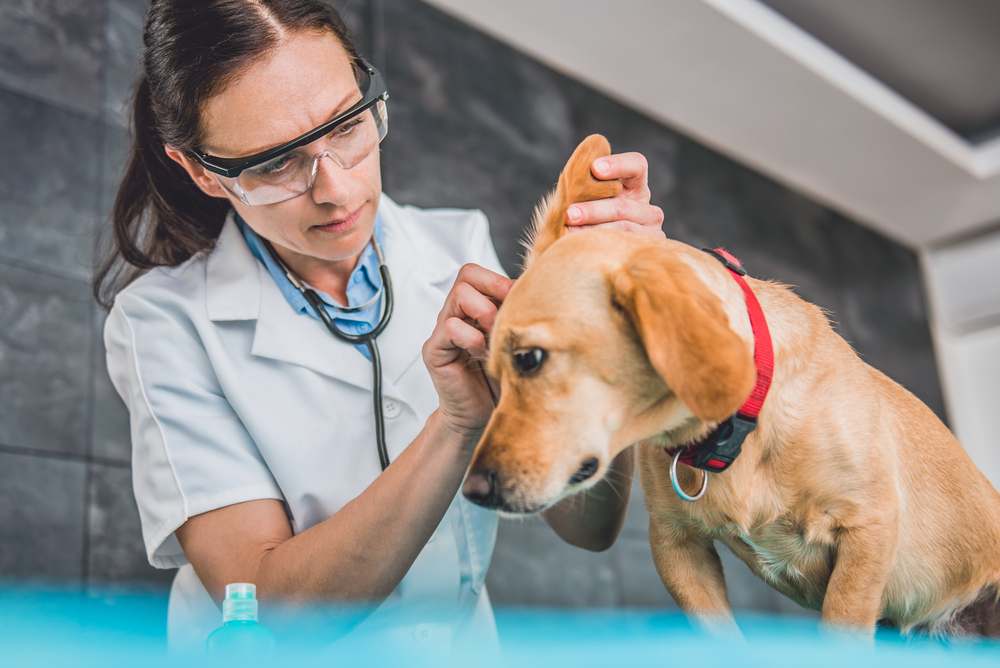
If your dog or cat keeps developing ear infections, there may be more going on than a one-time irritation. Chronic pet ear infections can be linked to allergies, yeast or bacterial overgrowth, moisture, and other underlying problems. In a coastal area like Port Isabel, frequent exposure to humidity, water, and moisture can also create conditions that make some pets more susceptible to recurring ear trouble. At Port Isabel Animal Clinic, we evaluate the ear itself while also looking for factors that may be contributing to repeated infections.
Signs Your Pet May Have an Ear Infection
Ear infections can be uncomfortable and sometimes painful. Pets may scratch at their ears or shake their heads frequently, but other symptoms can be easier to miss.
Common signs include:
• Frequent head shaking or ear scratching
• Redness or swelling inside the ear
• Brown, black, yellow, or other ear discharge
• An unpleasant odor coming from the ear
• Sensitivity when the ear is touched
• Repeated infections that improve and then return
Chronic inflammation can eventually cause changes to the ear canal, which is one reason recurring symptoms should be evaluated rather than repeatedly treated at home.
Could Allergies Be Causing Chronic Ear Infections?
For some pets, recurring ear problems are connected to environmental or food allergies. Allergic inflammation can affect the skin lining the ear canal and make it easier for yeast or bacteria to multiply. Environmental allergens may include pollen, mold, and dust mites, while some pets can also react to ingredients in their diet.
If your pet also experiences itchy paws, frequent licking, skin irritation, or other allergy symptoms, the ear infection may be part of a broader allergic condition. Our team can assess your pet's symptoms and determine whether additional evaluation may be appropriate.
Is Yeast the Problem?
Yeast naturally exists in small amounts in the ears of many dogs and cats. When conditions inside the ear change, yeast can multiply and contribute to inflammation, odor, itching, and discharge. Bacteria can also be involved, and some pets develop mixed infections.
Because different organisms require different treatment approaches, guessing based on the appearance or smell of the ear is not reliable. A veterinary ear exam and examination of ear discharge can help determine what is actually causing the infection.
Does Port Isabel's Coastal Humidity Play a Role?
Moisture can contribute to ear problems, especially in dogs that swim frequently or have ear canals that do not dry easily. Warm, humid environments can encourage yeast growth, while water trapped after swimming or bathing may further change the environment inside the ear.
For pets living an active coastal lifestyle around Port Isabel, keeping the ears appropriately dry may be an important part of preventing future problems. However, repeated ear infections should still be evaluated for allergies or other underlying causes rather than assuming humidity is the only issue.
Why Does My Pet's Ear Infection Keep Coming Back?
Treating the immediate infection may provide relief, but chronic ear infections are more likely to return when the underlying cause remains. Allergies, moisture, ear anatomy, foreign material, parasites, and other conditions can all contribute. Identifying these factors allows us to develop a more appropriate plan for managing your pet's ears over time.
If your dog or cat is dealing with recurring ear infections, itching, odor, or discharge, Port Isabel Animal Clinic can help identify the underlying cause and provide appropriate treatment. Visit our office in Port Isabel, TX, or call (956) 943-6022 to learn more about our veterinary care.


Hours
Monday 7:00 am - 6:00 pm
Tuesday 7:00 am - 6:00 pm
Wednesday 7:00 am - 6:00 pm
Thursday 7:00 am - 6:00 pm
Friday 7:00 am - 6:00 pm
Saturday Closed
Sunday Closed
Monday 7:00 am - 6:00 pm
Tuesday 7:00 am - 6:00 pm
Wednesday 7:00 am - 6:00 pm
Thursday 7:00 am - 6:00 pm
Friday 7:00 am - 6:00 pm
Saturday Closed
Sunday Closed

Powered by: 